‘Digger’ Review: Savvy art that splits its time between sharp and moronic segments

There are sparks of poignancy in Digger–flames even–but a lot of nonsense throughout the film frequently extinguishes those hot streaks. To be fair, that pure absurdity is what makes the film what it is. In fact, that is its entire point: the movie is trying to be an extravagant, multifaceted satire, so it swings wildly in different directions to thematically match that objective. However, it has almost as many poor ideas as good ones; while that may have been its intent, it made the viewing experience unsatisfying and rocky from a practical standpoint.
The film is further burdened by its own identity. What you saw in the trailers is generally what its plot is, but also completely not, as it hides many layers beneath it. The marketing was all over the place and a bit unclear–and it kind of had to be, so I do not blame them. The ridiculous tone established from the outset was a necessary misdirection to preserve the film’s many secrets that completely recontextualize the entire story and keep you constantly engaged. It is only when the rug is pulled out from under you for the first time that you can actually start evaluating and processing it, because the movie is not what it fully seems at first. As a result, I can see the split and forks in the road that have led critics to call it anywhere from a masterpiece to total trash. I do not think the film is either of those extremes, though; to me, it is a mix of both, but still an overall good movie.
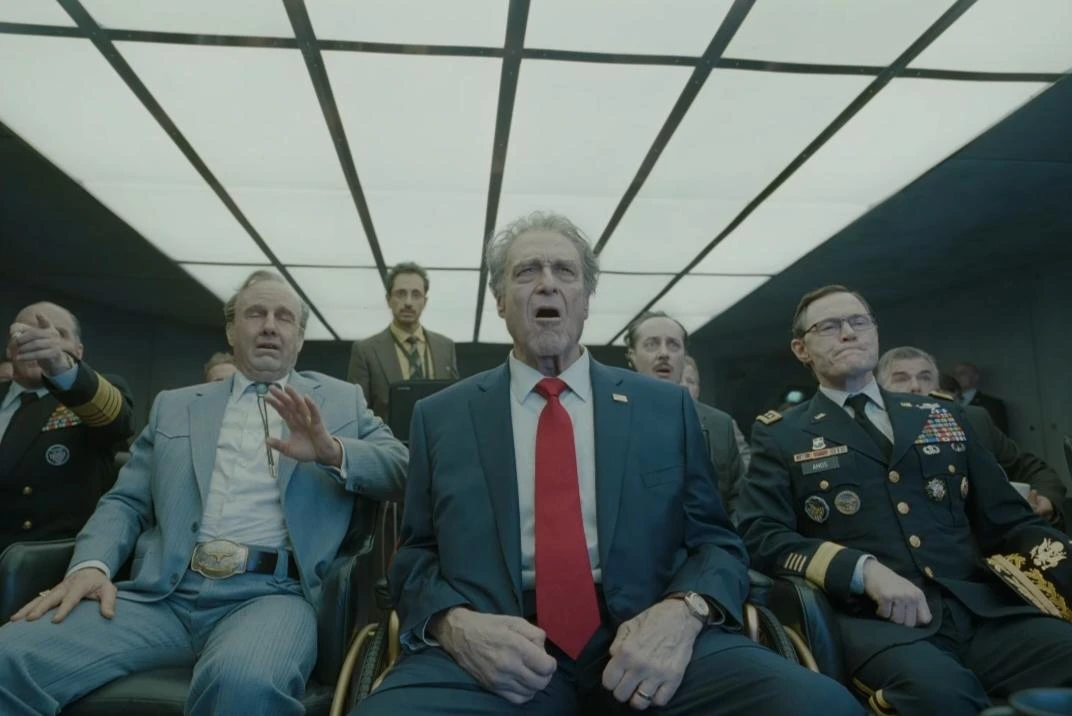
The primary reason Digger works more than it doesn’t is that it has a purpose to its madness, a growing theme hanging overhead that fully kicks in during the finale, ending things with a final resonance that lingers and justifies its satirical approach. At the start, the film is very wacky and weird, even performative, with most of the characters feeling like humongous caricatures. This is obviously the point of a satire, but it all felt like a bit too much and totally cliché, with wild antics that were entertaining, sure, but also silly. I thought I saw where this was all going at first, with the narrative providing a social commentary on climate change, oil production, negligence, and the role humans play in exploiting the environment and the consequences that follow: a goofy story showing the downfall of the climate because of incompetent individuals.
Like many questions you may ask about Digger, the answer to this is yes and no. While seemingly a surface-level story, the difference is that this is no ordinary, straightforward satire. It is about those previously listed topics, but not in the way you might expect. Once an early wrinkle in the story is introduced, everything begins to click regarding what the movie is going for, while at the same time remaining ambiguous and hidden as to what its ultimate direction is. That turning point is when I began to follow along more with the film and what it was doing, and it is the key factor in what makes it work in the end.

The rest of the film outside of this wrinkle is still hit or miss by significantly wide margins. At times, Digger is unfocused and bizarre, putting energy into the wrong places. But then, it will lock in on its message and goal, and when it does, it cuts through like a knife. It is this pure connection and mirroring to the real world that allows it to strike a nerve, because it presents hard truths and harsh realities. There is one scene in the film that perfectly embodies this: a completely one-take monologue performed by Tom Cruise, who sinks entirely into his role, that illustrates all of these core ideas. There is certainly a lot of talking in this movie, which may annoy some and even annoyed me at times, but when the dialogue and script are at their best, it feels buttery smooth.
The whole film feels like you are on a seesaw in this regard, always swinging up and down, reaching phenomenal highs but awful lows. It constantly switches between the throughline it already has working and throwing the kitchen sink at trying to pull off a new stunt, when it should have stuck with the former most of the time. These shenanigans ultimately rob the film of its consistency and congruency. The movie does this most commonly in the form of poor comedic stretches; while there are plenty of good, well-timed comedic moments, the film too often feels the need to overplay them to the point of cringe. I just do not understand what they were doing in these sections.
Because of this wasted time and structural bloat, Digger has to do serious mop-up work on the back end to tie the whole thing into a bow. The underlying storyline behind the film is therefore underdeveloped and a bit rushed, and the various subplots it mixes in simply do not get enough time to feel meaningful, ruffling the overall execution. The clearest depiction of all this is an elongated scene in the final third that probably would have worked well if there had been more setup to pay it off. Instead, it is incredibly spoon-fed. It explains everything to the audience–how they are supposed to interpret the movie’s events, how they should feel about them, what it all means, and so on. Instead of being subtle and utilizing its building blocks to make its point, the film lays everything out on the table directly because it had none left to work with. Cleaning up the pacing would have balanced everything out much better.
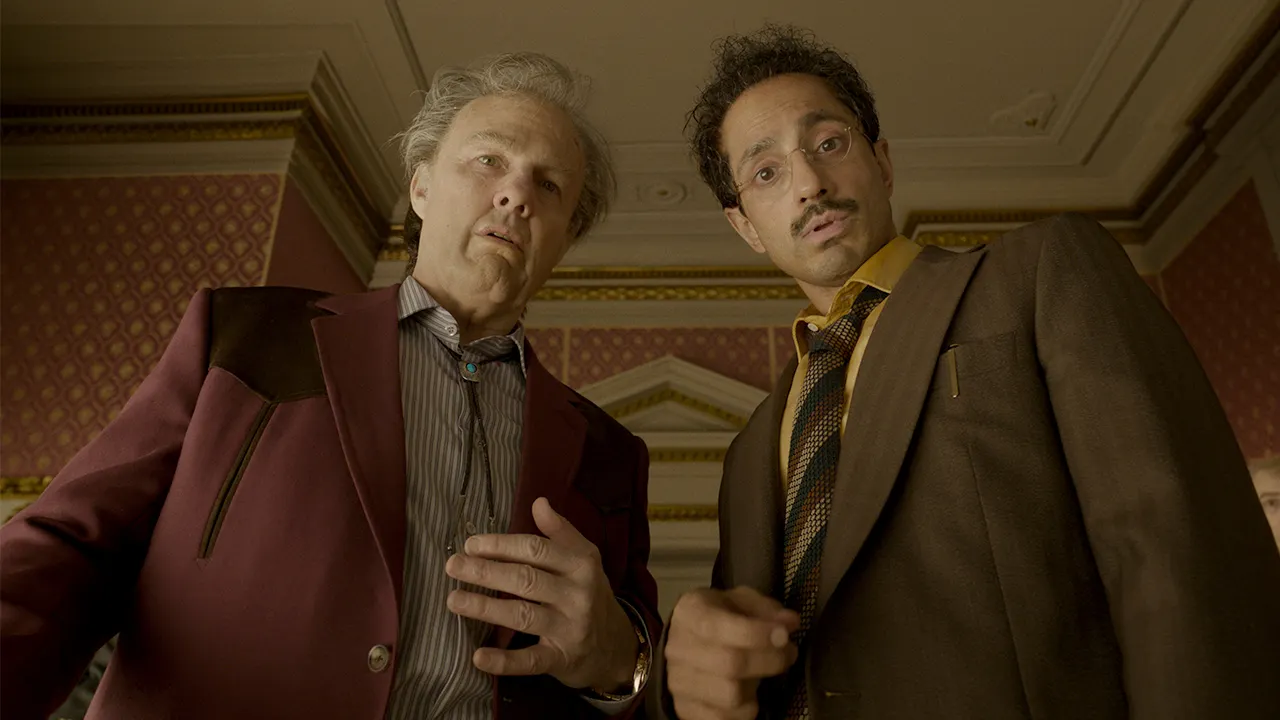
Digger ends on an exceptional, abstract high note that provides a great sense of closure, but I feel it could have landed significantly stronger with a more fleshed-out execution. Nonetheless, I still immensely appreciate all the novelty it brought to the table by turning a lot of ideas on their heads, flipping the script on genre expectations, and outsmarting the audience with its filmmaking style. I even feel like a rewatch is needed to reevaluate the film because of the reveals and the ending note that redefine the earlier sections of the movie.
Either way, I would still fervently recommend seeing it and believe it is well worth your time; give me more of these unique, ambitious films over other middlers like Supergirl or The Dog Stars. Although I am convinced there was a true masterpiece buried in here that could have been dug out with further refinements, I am still coming away with more impactful positive points than negative ones. I think the importance of original films like this tips the scales and outweighs the weaker aspects, bumping my final grade up a half-step or so.