‘Primetime’ Review: New ideas are brought to a decades-old television show, delivering profound perspectives in stunning style
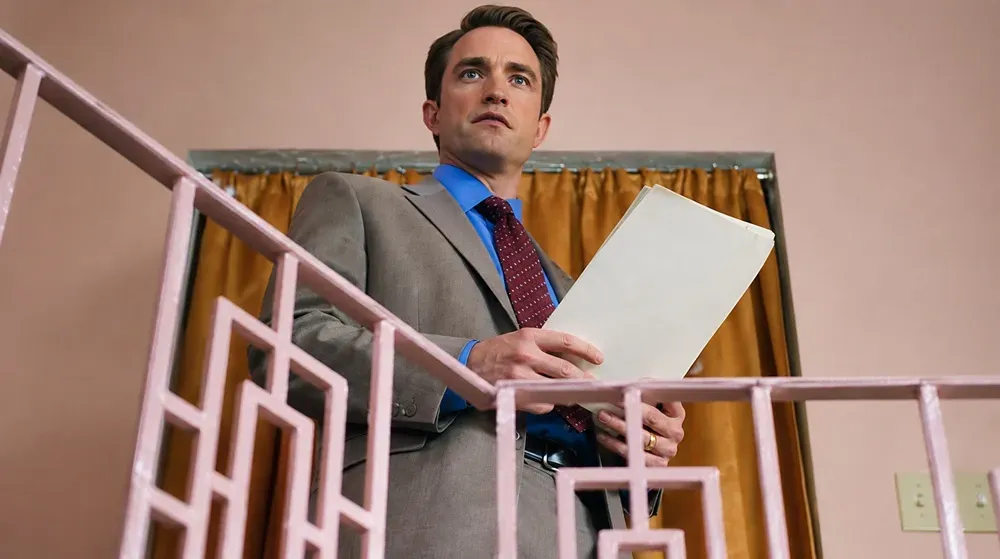
With Primetime, we have yet another very unique A24-produced film, which is becoming the norm in terms of what to expect from them at this point. It brings to the big screen a fuzzy look at the behind-the-scenes turmoil of a television show about catching child predators–one heavily laden with both accuracy and inaccuracy, packaged as a dramatic thriller. How the film justifies its existence is by essentially taking the To Catch a Predator hook to fabricate a plot with well-defined themes and messaging in order to convey a deeper story. That is why it is not exactly a biopic, but is instead better described as a film inspired by true events.
It takes things that happened and things that did not, smushing them together to fit the confines of an engaging movie with an aim to explore the underlying facets surrounding the television show’s moving parts, albeit in a highly dramatized way. Full historical accuracy is not the point here; think of it instead like a folk tale that has been passed down and retold, with plot details and characters modified–changes that alter its ultimate theme and meaning–although in this case, the original story was a more straightforward television show production.

Through this constructed fabrication, Primetime focuses on a web of interconnected areas involved with To Catch a Predator, clearly aiming to tell its own story about these events–that cannot be stressed enough. The first and foremost focus is the psychological toll the job takes on Chris Hansen, which then expands to examine the ethics and exploitation of using television in such a way, alongside the never-ending demand on the business side for higher ratings and increased popularity. The film does pull from specific events that occurred, but reorders and twists them to fit its narrative, additionally inserting composite characters to further develop these ideas.
Even though it is mostly fictionalized, this character study is very enthralling. Throughout the movie, Hansen slowly starts to crumble from the pressure of moving to the primetime television slot. He starts out the film strong and confident, in control of every situation he faces. His sense of command reflects in his mannerisms, such as how he is always refining his line deliveries. However, as the show demands more and more attention and Hansen keeps chasing bigger and bigger bounties, he loses his edge. The way things play out from this point is fascinating, because it’s in this main storyline where the fundamental question keeps popping up: what is the purpose of all this? Is it truly to catch these disgusting men, or is it just for the big bucks to become the biggest show on television, taking advantage of easy, audience-generating entertainment that has lost its sense of its real, initial purpose?
It is important to point out that none of this feels framed to make Hansen look bad. The film in no way tries to challenge the notion that these predators deserve to be swept off the streets and locked in jail. Instead, it puts forward the question of whether this is the right way to do so, and I do not think the answer is supposed to be clear-cut. There is the baseline belief that these sickos deserve the humiliation, with Hansen even stating early in the film that he thinks what he does is worse than simply beating them up. But also, if you treat this operation as a game for clicks and views, more severe consequences are potentially left hanging in the air. There is plenty of nuance and intricacy in that in-between space. Without giving anything away, I think one of Hansen’s classic questions is actually twofold: “What would have happened if I wasn’t here?”
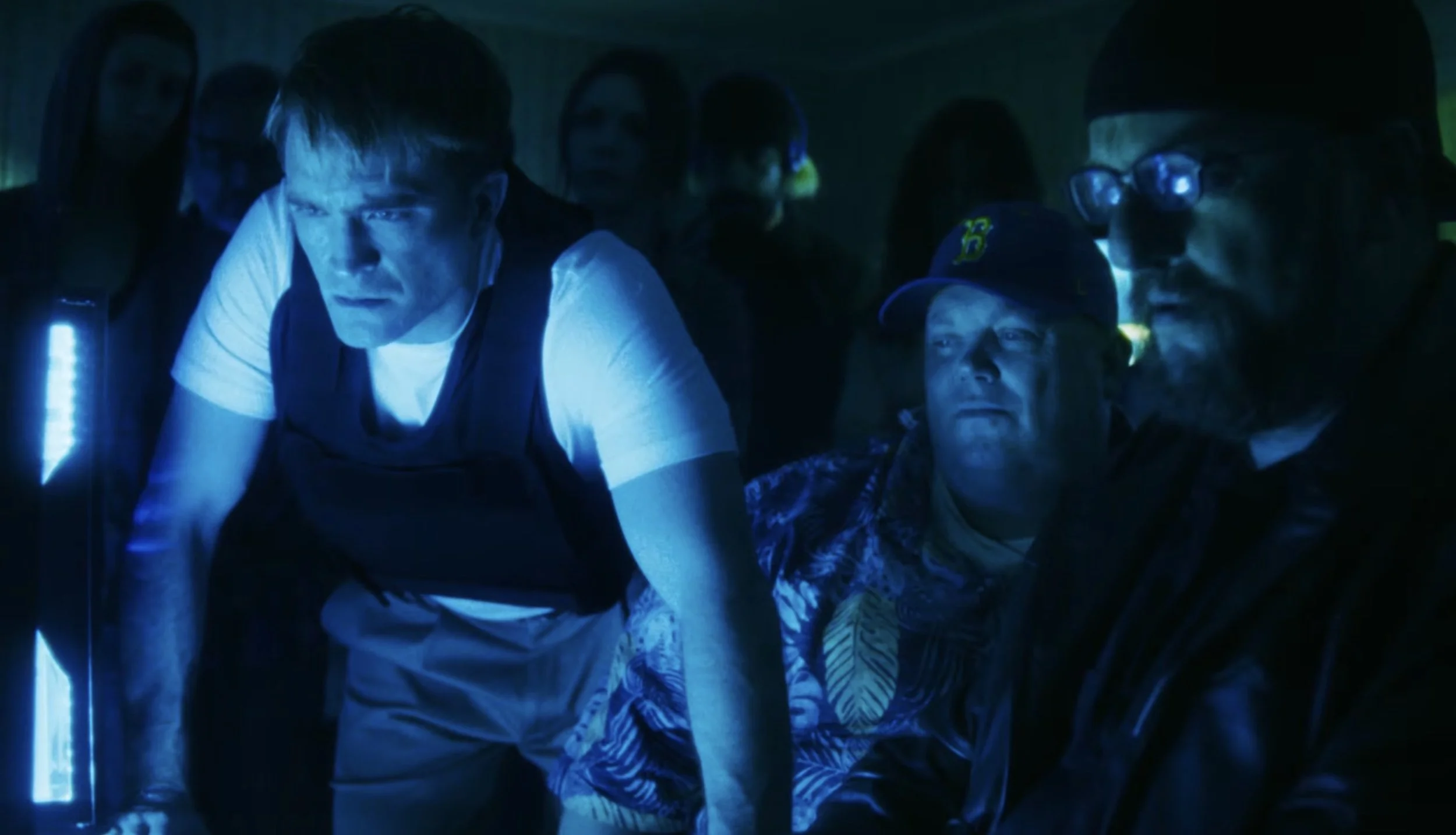
Given all this intriguing interplay, Primetime is no doubt a captivating thriller that serves as a relentless chase for the next big catch. The setup stings that come often beautifully pay it all off. Each sting is highly engaging, delivering satisfying follow-throughs with incredible dramatic flair. Multiple factors come into play in executing them in such a fashion: the fast-paced, frantic nature of getting everything into position, the old Sony model hidden cameras, and the mounting tension in the acting of the ensemble in the lead-up to each scenario. Perhaps most obvious is that each predator possesses such disgusting qualities, which makes the audience immediately despise them. The movie certainly is not afraid to let the audience sit in that raw disgust and discomfort, which perfectly resembles how these encounters actually play out in real life. It all equates to brilliant dramatic sequences.
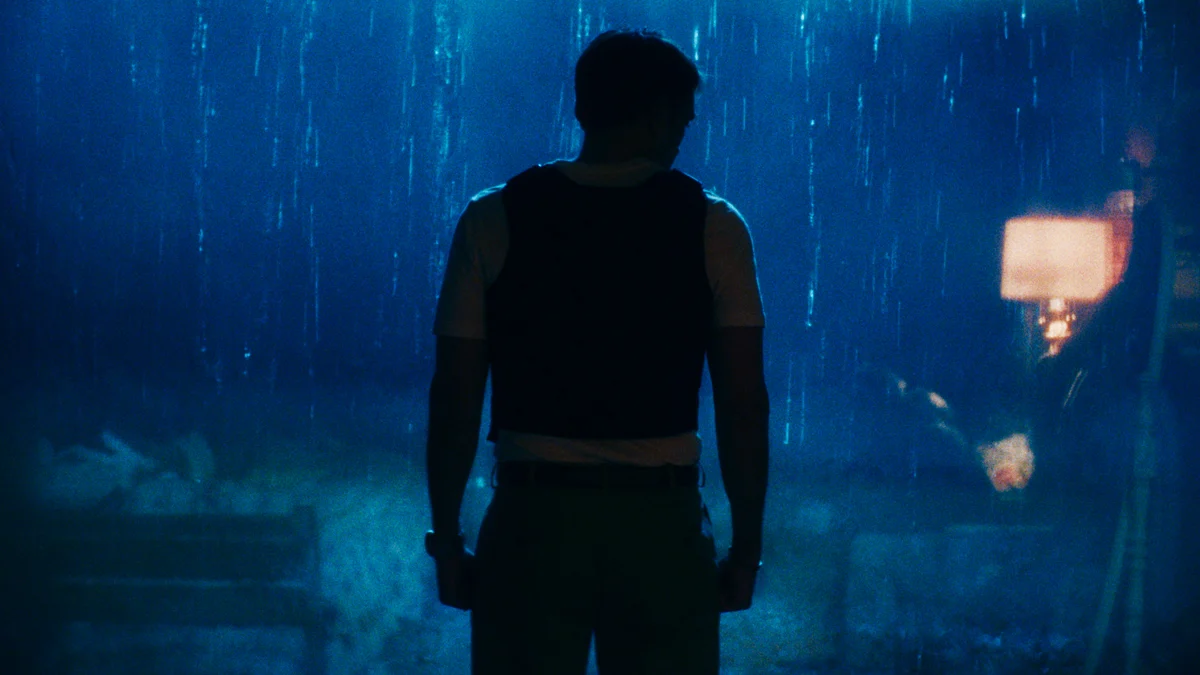
These elements extend to the overall direction of the film and its technical characteristics. The rich stylization works in its favor and matches the mysterious, questioning tone. The cinematography and lighting do most of the heavy lifting, fully committing to the classic thriller vibe. A lot of hidden camera footage is expectedly utilized, featuring a grainy texture that matches the era, which also blends nicely with all the intense close-ups. Furthermore, the lighting always feels spot-on, even in the darkest nighttime scenes; it is distinctive in its colors and gives the movie a vibrant look that makes it feel alive, avoiding all those washed-out colors that so many modern movies have today. Finally, it is all topped off by an acting masterclass from Robert Pattinson as Chris Hansen. His performance is mesmerising, as he manipulates his voice and mannerisms with absolute precision. If you want to talk about embodying a role, Pattinson does exactly that here. Every piece of technical direction further pushes the film into that full, engrossing dramatization style.
There were a handful of secondary subplots in Primetime, and most of them did not feel totally necessary. They did not bother me too much because they were not bad, but just time fillers that slightly detracted from the main plot. These included extra time given to the decoy character, Dan, as well as one of the show producers, where another hidden-camera show, What Would You Do?, is incorporated. I did not care for these very much. Additionally, the movie contained a sliver of jokes that felt out of place considering how serious the rest of the film is. None of this is a big deal, but they render as minor imperfections on a strong film nonetheless.
Mileage will vary on where others will fall on the film considering the sensitive subject matter and how the narrative approaches it, but it cannot be denied how well-made it is, or how clear its vision and direction are. I personally was following along with the movie for the most part, but I really loved the ending because that is when everything really clicked for me regarding the overarching story, cementing how I felt about the film as a whole. I am not going to sit here and say it is a superb, excellent movie, but yes, I would recommend it to those interested in seeing an arthouse thriller tackle this specific topic. It is very thought-provoking, bringing new ideas to the table around this entire phenomenon, even if it had to fictionalize it. The film is definitely a feat for the very niche space it aims for, and it hits it.